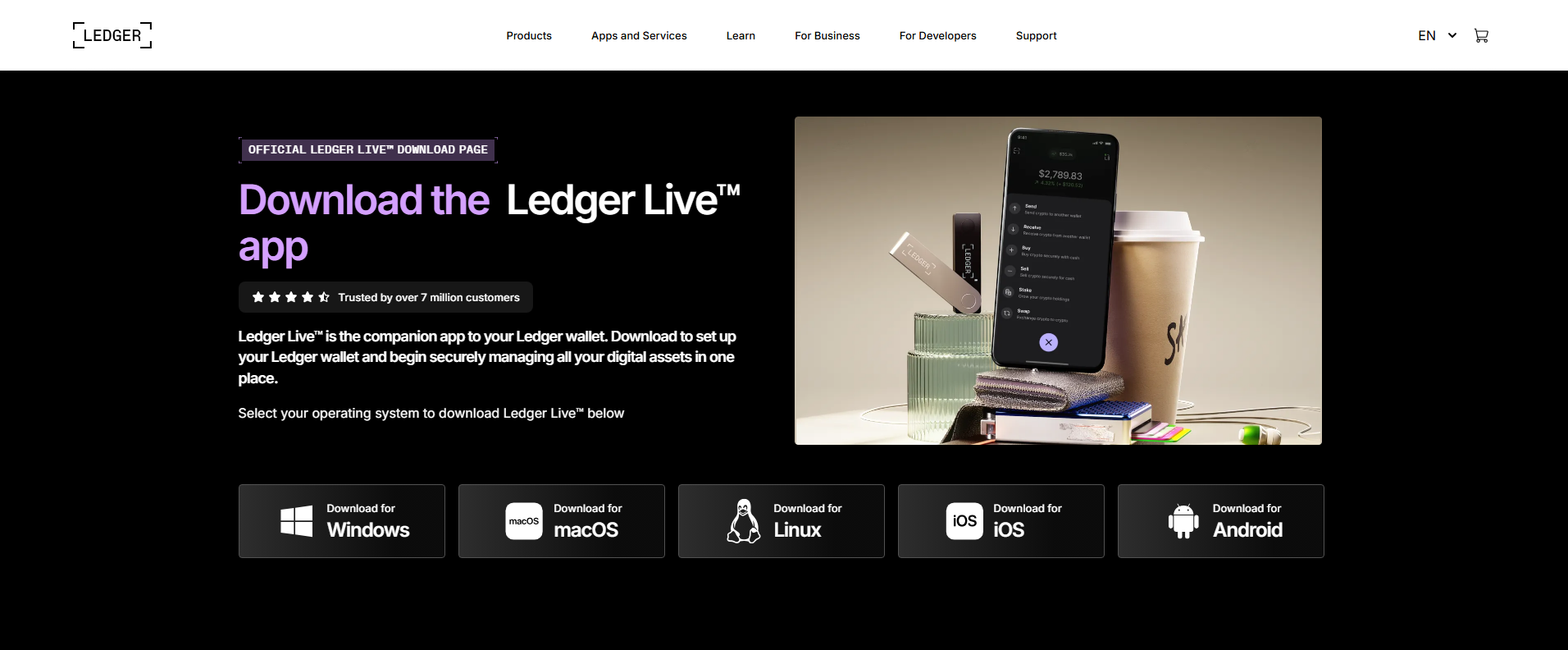
Returning to a hardware wallet after several months can feel different from using it regularly. Software may have changed, account activity may have increased, and you may not immediately remember the exact workflow you used previously.
Before making an important transaction, it is worth reviewing your setup carefully. Ledger.com/start can be a useful reference point for understanding the official Ledger setup process and reconnecting with the basics.
Start With the Hardware Device
Locate your Ledger hardware wallet and inspect it before connecting it to your computer. Make sure it is the device you intended to use and that it appears to be in normal physical condition.
Connect it using an appropriate cable and follow the normal instructions for your setup. If something seems unusual, pause rather than immediately proceeding with transactions.
Review Your Computer Environment
If you have not used the wallet for a long time, your computer may have changed considerably. Check whether the operating system, browser, and relevant Ledger software have been updated. If you use a different computer now, follow the official setup guidance rather than downloading applications from unfamiliar sources.
A familiar and trusted environment is preferable to rushing through an unfamiliar one.
Check Your Wallet Software
Open the appropriate official Ledger software and review its current interface. The appearance or location of certain options may differ from what you remember.
Do not assume that an unfamiliar interface means your wallet is damaged. First check official documentation for information about current software versions and features. Avoid following random video instructions or downloading unofficial “fixes.”
Review Your Accounts and Balances
Once your device is recognized, review your accounts. Check the assets you expect to see and look through recent transaction activity. If you have not used the wallet for a long time, this review can help you understand what has changed since your previous session.
If an account or transaction looks unfamiliar, investigate it before sending or receiving funds.
Verify Before Making a Transaction
When returning after a long break, avoid making a large transaction immediately. First become comfortable with the current interface and confirm that your accounts appear as expected.
If you decide to send crypto, carefully verify the destination address, asset, network, amount, and applicable transaction information. Review important details on the Ledger hardware wallet before approving the transaction.
Be Careful With Recovery Requests
A long period of inactivity can make users more vulnerable to fake “wallet recovery” messages. You should not need to enter your recovery phrase into a website simply because you have not used your wallet recently.
Never share your recovery words with a person claiming to be technical support. If a website or message asks for them while you are trying to use Ledger.com/start, stop and verify the request through official Ledger resources.
Rebuild Your Familiar Routine
If your previous wallet routine has become unfamiliar, recreate it step by step. Start with account review, then check receiving information, explore the current interface, and only afterward consider a transaction.
There is no advantage to rushing. A few minutes spent becoming familiar with the setup can reduce avoidable mistakes.
Keep Your Recovery Information Secure
Your recovery phrase should remain protected even when the wallet is not being used. Do not move it into a digital document just because you are returning to your wallet. Keep it stored according to the security guidance you followed when the wallet was originally initialized.
The recovery phrase should never be shared with another person.
Final Thoughts
Returning to a hardware wallet after a long break is a good opportunity to review the entire setup. Check your device, computer environment, wallet software, accounts, and recent activity before making a transaction.
Use Ledger.com/start and other official Ledger resources for reliable setup guidance, and take your time when reviewing unfamiliar changes. A careful restart can make your return to regular wallet management much smoother.